ADA-Compliant Concrete Sidewalks: What Property Owners Need to Know
Property owners seeking to ensure accessible, compliant sidewalks can rely on local contractors skilled in ADA standards to handle the construction and upgrades effectively.
Property owners seeking to improve accessibility and ensure compliance with regulations are often exploring ada-compliant concrete sidewalks: what property owners need to know. Understanding the key requirements and practical benefits of accessible sidewalk construction can help create safer, more inclusive outdoor spaces for visitors, customers, or residents. Local contractors specializing in sidewalk installation and repair are equipped to handle these projects, ensuring that pathways meet the necessary standards while enhancing the property's overall functionality.
Exploring this topic is especially relevant for property owners in busy commercial districts, residential communities, or public spaces where accessibility is a priority. With the right guidance and skilled service providers, it’s possible to develop sidewalks that not only meet legal guidelines but also improve convenience and safety for all users. Keep reading to learn more about the essentials of ada-compliant sidewalk construction and how local service providers can support efforts to create accessible outdoor environments.
- ADA-compliant sidewalk installation - property owners may need accessible walkways to meet regulations, with local contractors ensuring proper slope and surface smoothness.
- Sidewalk repair and replacement - existing concrete walkways that do not meet ADA standards may require upgrades, with service providers focusing on seamless, level surfaces.
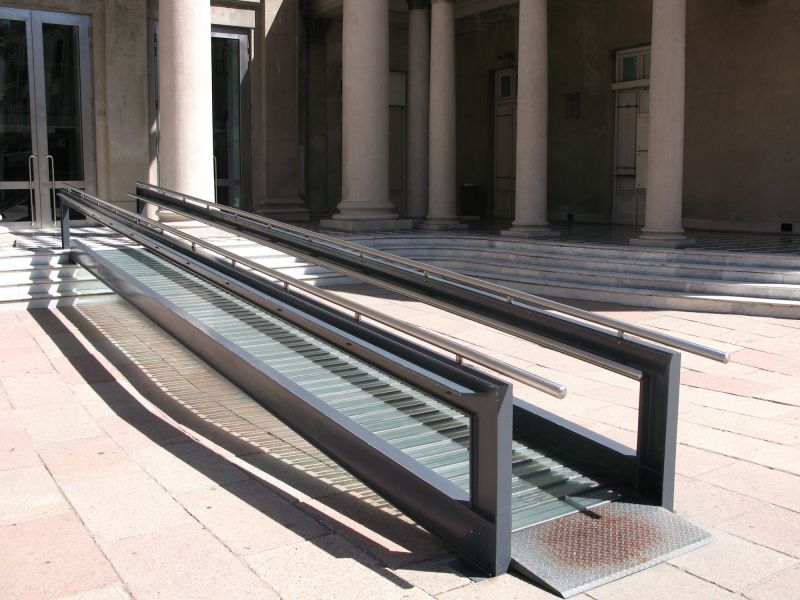
- Ramp and curb cut construction - adding accessible ramps for improved mobility often involves local pros creating compliant transitions at entry points.
- Surface leveling and finishing - uneven or damaged sidewalks can be corrected by local contractors to achieve ADA-compliant smoothness and safety.
- Accessibility compliance consultation - property owners seeking guidance on ADA standards may work with local pros to plan and implement compliant sidewalk solutions.
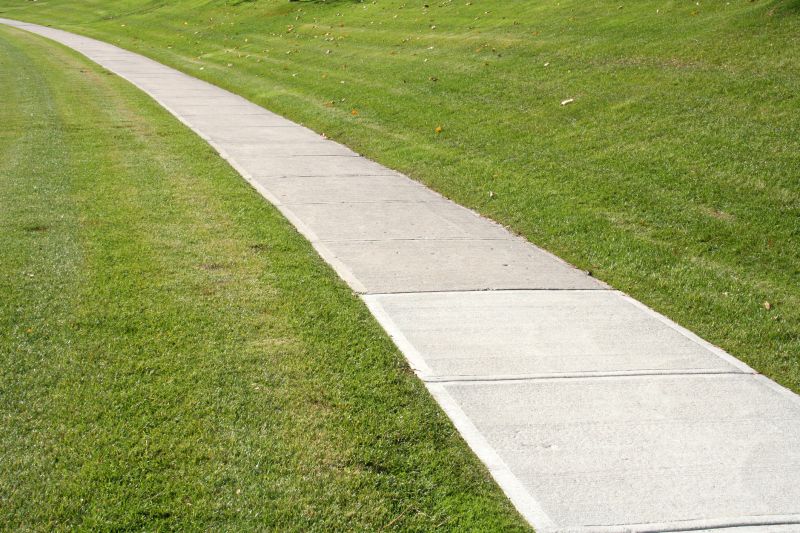
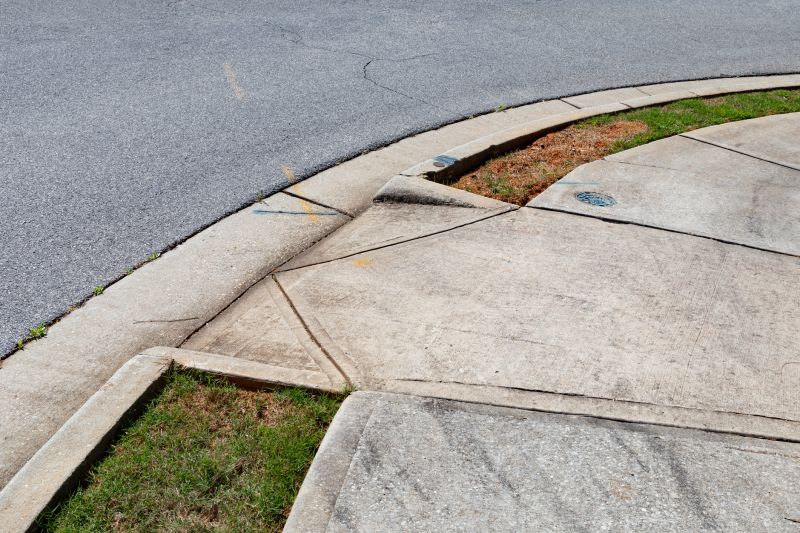
When property owners search for information about ada-compliant concrete sidewalks, they are often looking to understand how sidewalk accessibility standards impact their properties. This includes learning about the specific design requirements that ensure sidewalks are accessible to individuals with disabilities, such as proper slope, width, and surface smoothness. Many property owners want to know how these standards affect existing walkways or plans for new construction, especially when renovations or upgrades are necessary to meet legal requirements. Understanding these aspects helps property owners plan for modifications that improve accessibility while complying with regulations.
The need for ada-compliant concrete sidewalks often relates to problems like uneven surfaces, narrow pathways, or insufficient curb ramps that hinder mobility for all users. Property owners may be considering these improvements as part of larger renovation projects, commercial developments, or public space upgrades. For those managing properties such as retail centers, apartment complexes, or government buildings, ensuring sidewalks meet accessibility standards is essential for legal compliance and providing safe, inclusive access. Many property owners also plan to incorporate these sidewalks during new construction projects to avoid costly modifications later, making early planning crucial.
Properties that typically come up in discussions of ada-compliant concrete sidewalks include commercial properties, multi-family residential complexes, public parks, and municipal facilities. These types of properties often have higher foot traffic and are subject to local accessibility laws. Additionally, properties in areas with aging infrastructure or those undergoing significant renovations frequently require updates to existing sidewalks to meet current standards. Whether for compliance reasons or to enhance usability, property owners in these categories often seek the expertise of local contractors who specialize in ADA-compliant sidewalk construction to ensure their projects meet all necessary guidelines.
Understanding how ada-compliant concrete sidewalks connect to real projects clarifies the role of local service providers in the process. These professionals bring the experience needed to design and build sidewalks that adhere to accessibility standards while fitting the property’s specific layout and use. From creating smooth, level surfaces to installing curb ramps and proper drainage, local contractors handle the technical details that ensure compliance and safety. Property owners considering these improvements can benefit from consulting with local pros who understand the regulations and can help develop practical solutions tailored to their project needs, ensuring accessible pathways that serve everyone effectively.
Accessible Parking Lot Design - local contractors who specialize in accessible parking layouts can apply similar planning and construction skills to ensure ADA-compliance for sidewalks and pathways.
Curb Ramp Installation - professionals experienced in curb ramp projects utilize similar tools and techniques to create smooth, compliant transitions between sidewalks and streets.
Public Space Renovations - service providers working on park and plaza upgrades often incorporate ADA standards, requiring accessible pathways comparable to sidewalk construction.
Commercial Sidewalk Repairs - local contractors skilled in sidewalk repair and replacement can adapt their expertise to meet ADA requirements for existing concrete walkways.
Ramps and Staircase Modifications - specialists in building accessible ramps and stair modifications share planning and concrete skills relevant to ADA-compliant sidewalk projects.
Urban Infrastructure Projects - those involved in city infrastructure upgrades often handle similar planning, permitting, and construction tasks as ADA-compliant sidewalk installations.
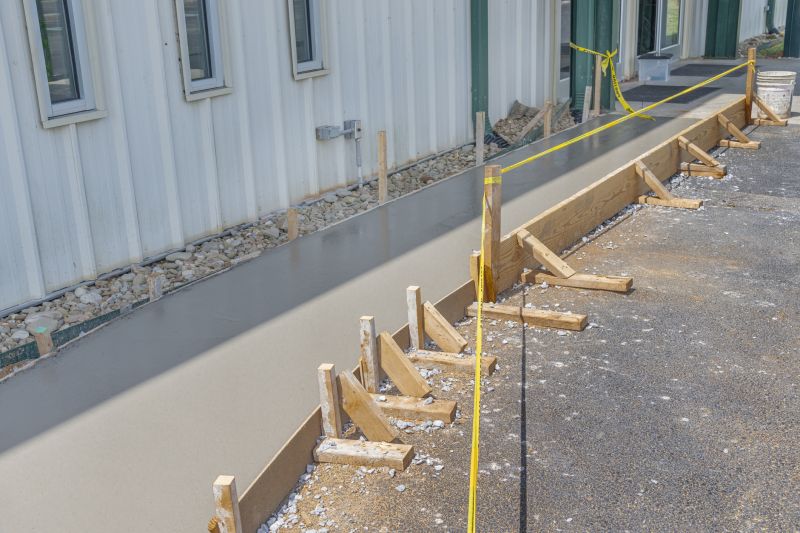
When evaluating service providers for ADA-compliant concrete sidewalks, it’s important to consider their experience with similar projects. Homeowners should look for local contractors who have a demonstrated history of completing sidewalk installations that meet accessibility standards. An experienced pro will understand the specific requirements for ADA compliance, such as proper slope, width, and surface smoothness, which can help ensure the project is completed correctly the first time. Reviewing portfolios or asking for examples of past work can provide insight into their familiarity with the scope and details of ADA-related sidewalk construction.
Clear, written expectations are essential when comparing local contractors for this type of project. Homeowners should seek service providers who are willing to outline the scope of work, materials to be used, and compliance standards in a detailed proposal or estimate. This transparency helps prevent misunderstandings and ensures that both parties are aligned on the project’s goals. A professional contractor will be able to communicate these expectations effectively, providing clarity on what will be delivered and how the work will meet ADA guidelines.
Reputable references and good communication are key indicators of a trustworthy local contractor. Homeowners are encouraged to ask for references from previous clients who had similar sidewalk projects completed. Speaking with past customers can reveal insights into the contractor’s reliability, quality of work, and adherence to project timelines. Additionally, service providers who maintain clear and consistent communication-responding promptly to questions and providing updates-can make the process smoother and more predictable. These qualities help ensure that the project progresses as planned and that any concerns are addressed promptly.
Property owners often search for ada-compliant concrete sidewalks: what property owners need to know when they are planning practical projects around their homes and businesses. Local pros provide ADA-Compliant Sidewalk Construction services for everyday jobs and straightforward project options.
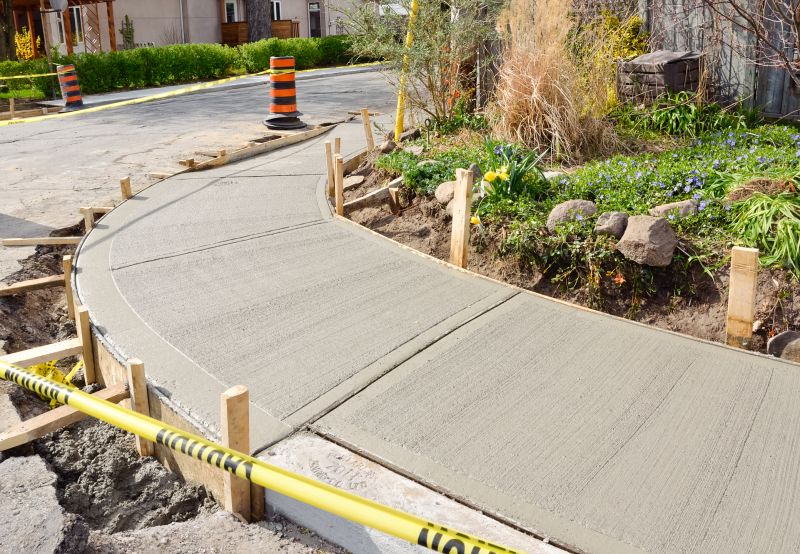
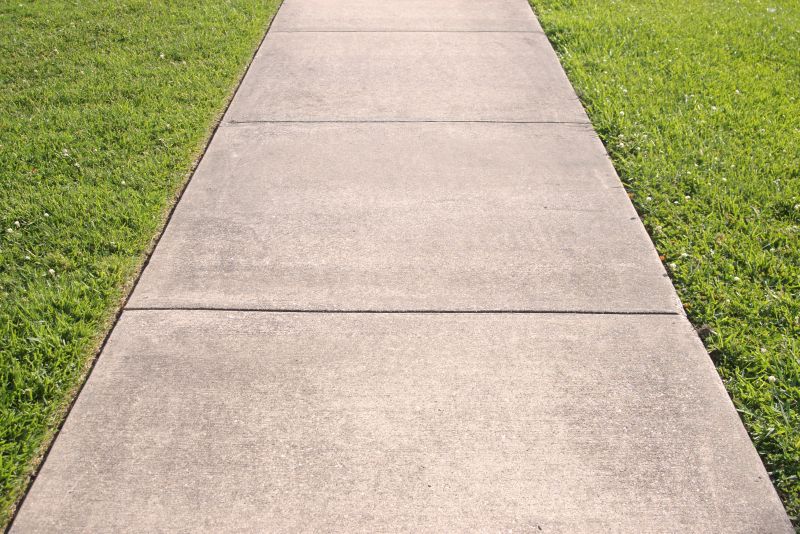
Understanding ada-compliant concrete sidewalks: what property owners need to know is essential for those planning sidewalk renovations or new installations. In everyday situations, property owners might find themselves needing to ensure their sidewalks are accessible for all visitors, including individuals with mobility challenges. Local contractors experienced in ADA-compliant sidewalk construction can help determine the necessary specifications, such as appropriate slope, width, and surface texture, to meet accessibility standards and avoid potential violations.
Many property owners look into this topic when preparing for public events, improving curb appeal, or ensuring compliance with local regulations. Engaging with service providers who specialize in ADA-compliant sidewalk construction can simplify the process, providing expert guidance on design and installation that meets legal requirements. These local professionals can handle the technical aspects, giving property owners peace of mind that their sidewalks are safe, accessible, and compliant with relevant standards.
What are the key features of ADA-compliant concrete sidewalks? ADA-compliant sidewalks typically include features such as proper slope, tactile warning surfaces, and accessible curb ramps. Local contractors can ensure these requirements are met during construction or renovation projects.
Why is it important for property owners to consider ADA compliance for sidewalks? Ensuring sidewalks meet ADA standards promotes accessibility for all users, helps property owners avoid legal issues, and creates an inclusive environment around the property.
How do local contractors ensure concrete sidewalks are ADA-compliant? They follow ADA guidelines by designing sidewalks with appropriate width, slope, and surface texture, and by installing necessary features like curb ramps and tactile indicators.
What are common challenges in constructing ADA-compliant sidewalks? Challenges can include maintaining proper slope over uneven terrain, integrating tactile warning surfaces, and ensuring compliance with all ADA specifications, which local pros can manage effectively.
Can existing sidewalks be modified to meet ADA standards? Yes, local contractors can retrofit existing sidewalks by adding ramps, adjusting slopes, or installing tactile surfaces to improve accessibility and meet ADA requirements.
Accessibility Compliance - Property owners can work with local contractors to ensure sidewalks meet ADA guidelines for slope, width, and surface texture, making outdoor spaces accessible for all visitors.
Surface Texture and Slip Resistance - When planning sidewalk surfaces, property owners should prioritize slip-resistant finishes, which local service providers can incorporate into concrete designs for safety.
Proper Ramps and Transitions - Property owners can incorporate ramps and smooth transitions into sidewalk construction projects with the help of local contractors familiar with ADA standards.
Clear Pathways and Obstructions - Ensuring sidewalks are free of obstacles and have clear, unobstructed pathways is a key aspect that local pros can help implement during ADA-compliant sidewalk installation.
If you are thinking about ada-compliant concrete sidewalks: what property owners need to know for a property, this guide is meant to help you understand this topic, the typical project types, and how different options might fit your plans.
When you are ready, you can use the quote form on this page to share a few details about your project. From there, local pros can review the basics and follow up with options that match what you have in mind.